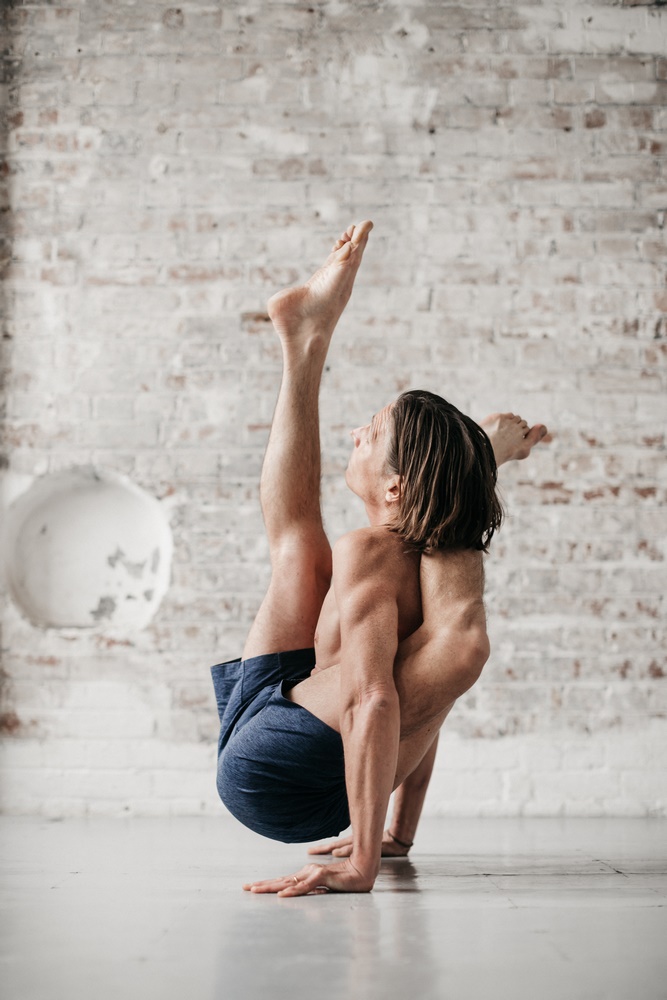
Depending on what lens we look through, we arrive at a different conclusion. In this workshop we shall consider Ashtanga yoga within the wider perspective of hatha yoga, as an experiential and embodied sense of who we are. Together we will explore what are the foundational aspects of Ashtanga Yoga we cannot sacrifice, and what are the stylistic or political aspects of the method that are, perhaps optional? Let’s delve in and see how we can take the reins of our own spiritual practice.
Adam will lead the class through the first part of primary and standing asana, after which you will move on to self-practice following the Ashtanga sequence at whatever level you are at. All physical levels are welcome, and you are free to follow from printed sheets. It’s a fun way into self-led practice.
We hear about bandha all the time, but what does it actually mean? The term comes from the extreme ‘locking’ of muscles in early hatha yoga for a practice (and aims) that are both very different to our modern practices. Try holding your bandhas and moving fluidly and dynamically through an Ashtanga sequence; it’s like applying the handbrake and the accelerator of your car at the same time. In this time together we will reappraise bandha looking together at a few simple postures to come up with a fresh (and more effective) understanding of what is still the foundational tool of the practice of asana.
People often think Ashtanga means the rigid adherence to the series’ as they are currently known, but these have changed over the years as has the teaching method. In this session we will look at how to define Ashtanga yoga and what being a ‘traditional teacher’ means.
We will look at:
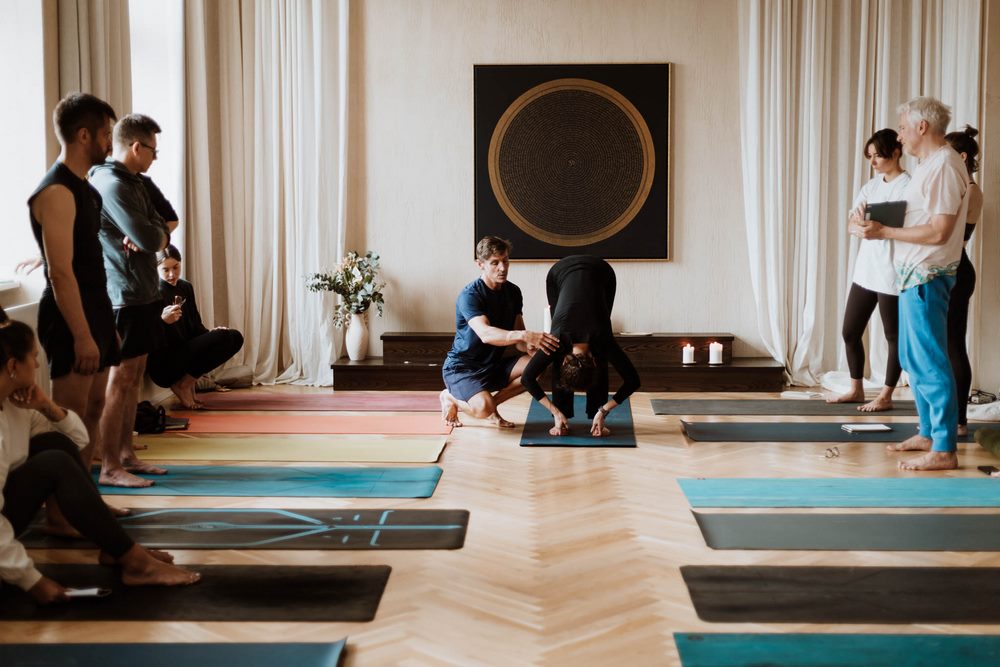
This practice is based on individual exploration, kindness, and fun. Adam gives yoga assistance in a safe and non-intrusive way. He does not believe in forcing people into postures, rather, he uses verbal and light physical touch to open new directions for you to follow if you wish. All are welcome to the Mysore class. Adam is happy if you need practice sheets, but you should have memorised at least the sun salutations A and B and some of the standing sequence.
Are we meant to be ujjayi breathing in our yoga practices? This technique tends to be applied in a forced way that leads in the opposite direction of a freer breath. Pre 20th century, hatha yoga aimed at learning to hold the breath. This being obviously not appropriate, so, what should be our aim with the breath now? In this workshop we shall come to understand the missing link in all this - the diaphragm, and that when connected to effectively the result is not only a freer breath, but also, better ability to regulate one’s nervous system. But does this mean ‘belly breathing’? Not exactly, come and find out the difference.
This session will look at practical applications of The Bhagavad Gita. Rather than going chapter by chapter we will explore the following topics in a way that is practical and relevant to the present day, considering such questions as: